
Medin - HTML Website Template


skin

Skin pigmentation is the result of melanin production in the skin. Melanin comes in two main types: eumelanin, which is responsible for brown and black hues, and pheomelanin, which produces red and yellow hues. The amount and type of melanin in your skin determine your skin color.Factors Affecting Skin Pigmentation:

Genetics:

Your genetic makeup largely determines your baseline skin color. People with more melanin-producing genes tend to have darker skin, while those with fewer melanin-producing genes have lighter skin.

Sun Exposure:

Exposure to UV radiation from the sun stimulates melanin production. This is the body's natural defense mechanism to protect against harmful UV rays. Prolonged sun exposure can lead to tanning, sunburn, or hyperpigmentation.


Skin Pigmentation Treatment Types

Skin pigmentation refers to the color of the skin, which is primarily determined by the amount and type of melanin present. There are several types of skin pigmentation, and variations in melanin production lead to diverse skin tones and colors. Here are the primary types of skin pigmentation

  • Eumelanin
  • Pheomelanin
  • Albinism
  • Hemoglobin
  • Carotene


Causes


Testimonial


Ramesh Gupta


"I had been struggling with acne and uneven skin tone for years. After undergoing a Skin Analysis at Dr. Swati's Aesthetic World, I was prescribed a tailored treatment plan. With a combination of laser therapy and specialized skincare products, my skin has transformed. I now have a clear and radiant complexion that I'm proud of."

Testimonial


Priya Sharma


" Premature graying had been a concern for me for a while. After my Skin Analysis, I received a personalized plan that included laser hair growth therapy. I can't believe the difference it has made. My hair is regaining its natural color, and I feel more confident than ever."

Testimonial


Meena Patel


"I had stubborn pigmentation that made me feel self-conscious. The Skin Analysis helped pinpoint the issue, and I was recommended a series of pigmentation treatments. My skin looks more even and youthful now. Thank you, Dr. Swati's Aesthetic World!"


Symptoms

Skin pigmentation refers to the coloration of the skin, and it can vary from person to person. While some level of pigmentation is normal and healthy, certain changes in skin pigmentation can be a sign of underlying issues. Here are some common symptoms of abnormal skin pigmentation

  • Freckles
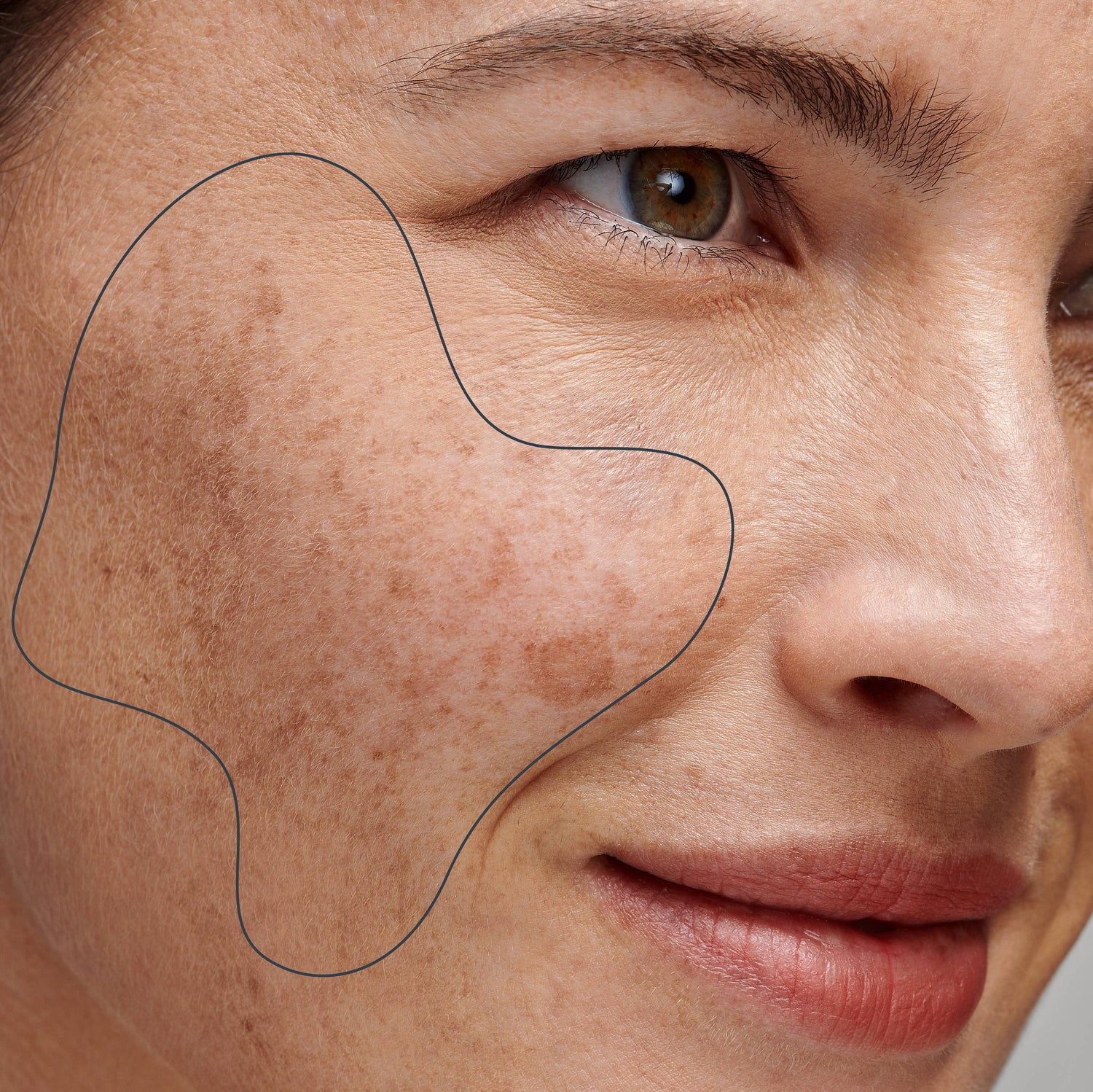
  • Melasma
  • Age Spots (Liver Spots)
  • Post-Inflammatory Hyperpigmentation (PIH)
skin

FAQ'S

Hyperpigmentation is a common skin condition characterized by the darkening of certain areas of the skin due to an excess of melanin, the pigment responsible for skin color.

Hyperpigmentation can be caused by factors such as sun exposure, hormonal changes, skin inflammation or injury, genetics, and certain medications.

Common types of hyperpigmentation include freckles, melasma, age spots (liver spots), and post-inflammatory hyperpigmentation (PIH).

Hyperpigmentation can be permanent or temporary, depending on its underlying cause. Some types may fade over time with appropriate treatment, while others may persist.

Treatment options for hyperpigmentation include topical creams, chemical peels, laser therapy, and microdermabrasion. Sun protection is also essential to prevent further darkening.

Hypopigmentation is a condition characterized by the loss of skin color or a reduction in melanin production, leading to lighter or white patches on the skin.

Hypopigmentation can be caused by conditions like vitiligo, albinism, skin injury or trauma, infections, and certain medical procedures.

Treatment for hypopigmentation depends on the underlying cause. In some cases, treatments like topical corticosteroids or phototherapy may help.