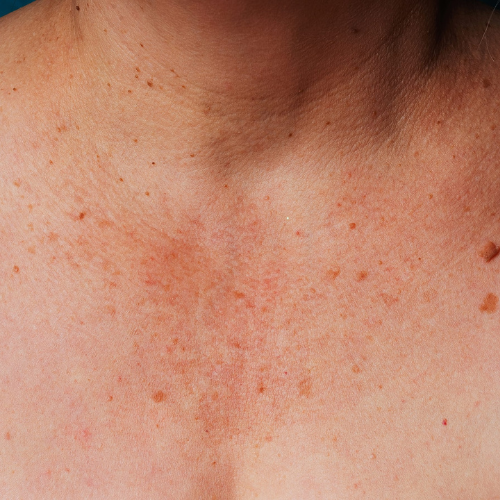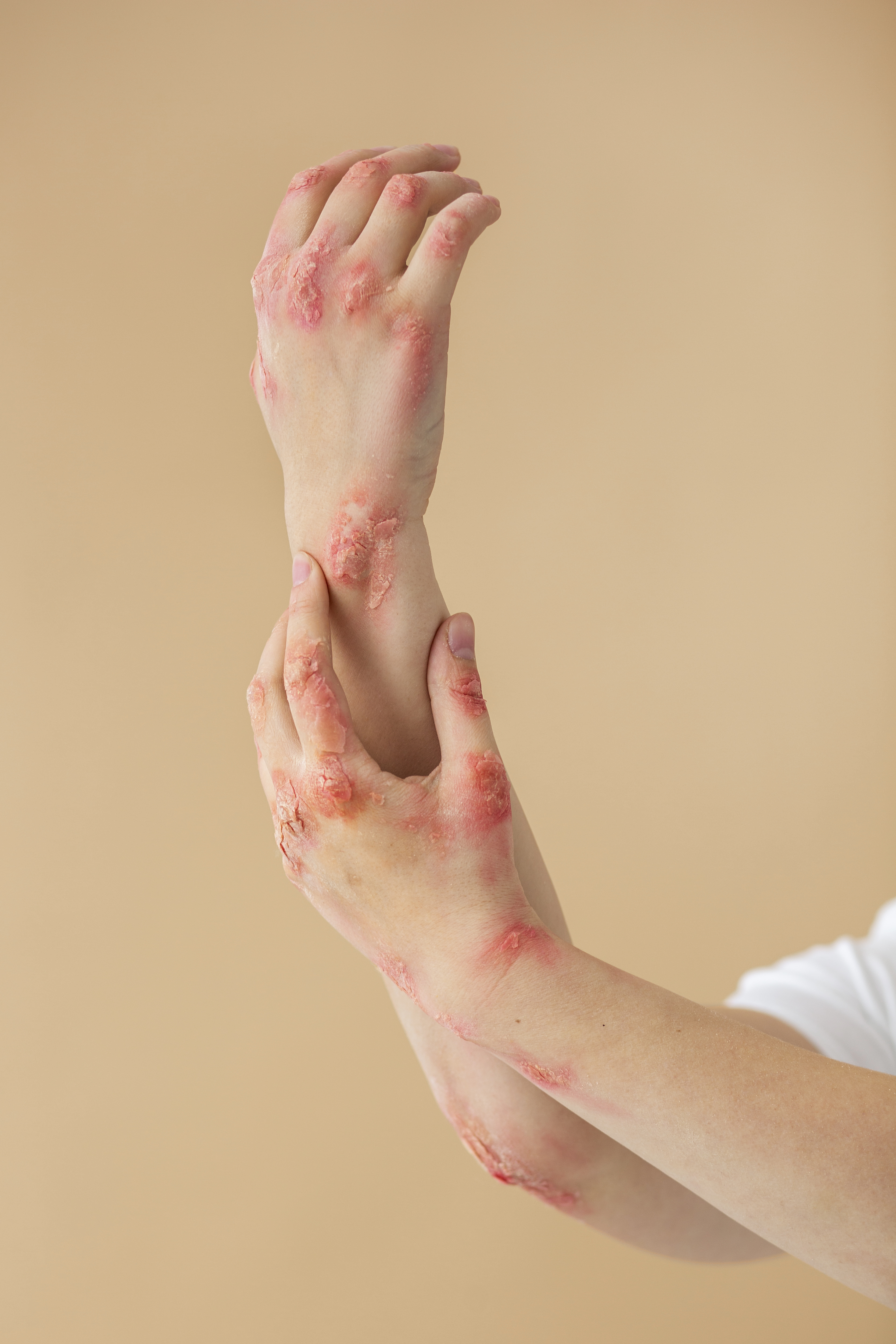
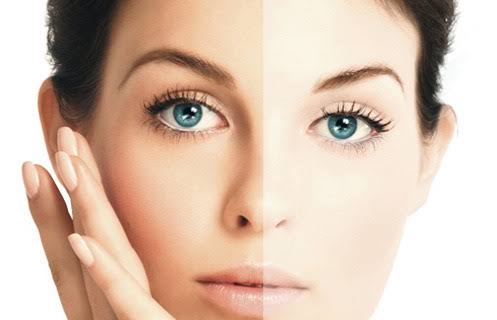
Skin lightening, also referred to as skin whitening or skin brightening, is a cosmetic practice aimed at reducing the appearance of skin pigmentation, dark spots, and uneven skin tone. Individuals may seek skin lightening treatments for various reasons, such as addressing hyperpigmentation, melasma, or simply achieving a more even complexion.These treatments typically work by inhibiting the production of melanin, the pigment responsible for skin color, or by exfoliating the top layer of skin to reveal a brighter layer beneath. Common ingredients in skin lightening products include hydroquinone, kojic acid, glycolic acid, and vitamin C. It's important to note that while some people seek skin lightening for cosmetic reasons, others may use it to address skin conditions or concerns.
Some bleaching agents to treat uneven skin tone have a combination of ingredients.
It's important to note that the specific treatments and products used in medicated facials may vary based on the individual's skin type, concerns, and the provider's expertise. A consultation with a skincare professional is essential to determine which medicated facial treatment is most suitable for your skin and goals.
Patchy loss of skin color, which usually first appears on the hands, face, and areas around body openings and the genitals. Premature whitening or graying of the hair on your scalp, eyelashes, eyebrows or beard. Loss of color in the tissues that line the inside of the mouth and nose (mucous membranes)
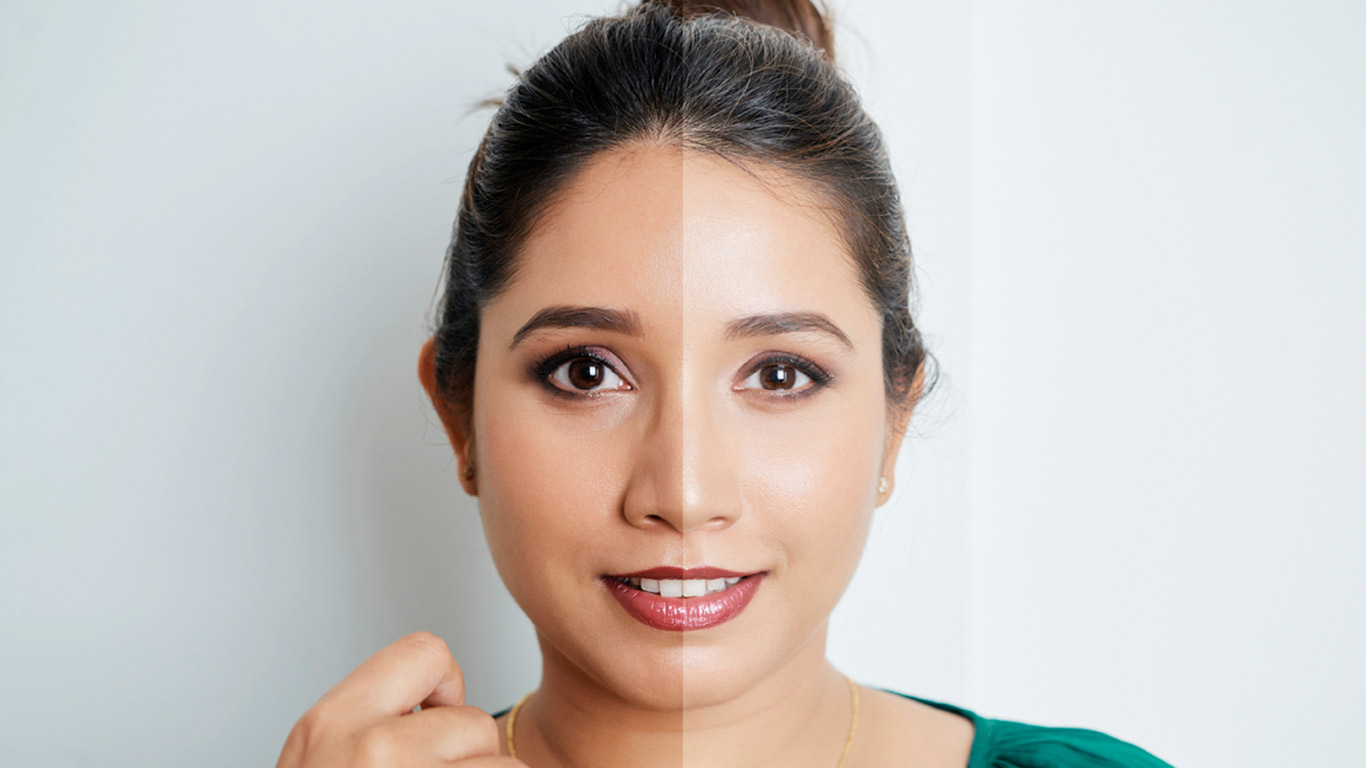
Skin lightening, or skin whitening, refers to treatments and products that aim to reduce the appearance of dark spots, hyperpigmentation, and uneven skin tone. They often work by inhibiting melanin production or promoting skin cell turnover.
Not all skin lightening treatments are suitable for every skin type or tone. It's essential to choose products or treatments that are appropriate for your specific skin type and consult with a dermatologist for personalized advice.
Common ingredients include hydroquinone, kojic acid, glycolic acid, arbutin, vitamin C, and niacinamide. These ingredients can vary in potency and effectiveness.
The timeline for results can vary depending on the individual's skin type and the specific treatment used. It may take several weeks to months to notice significant improvements.
Certain treatments are better suited for specific skin types and concerns. It's crucial to consult with a dermatologist to determine the most suitable options for your skin.
Side effects can include skin irritation, redness, dryness, and in some cases, worsening pigmentation. This is why professional guidance is essential.
Skin lightening treatments typically offer temporary results. To maintain the desired effects, ongoing use of products and sun protection is often necessary.
Depending on your skin concerns, it may be possible to combine skin lightening treatments with other skincare products. However, it's essential to consult with a dermatologist to ensure compatibility and safety.